


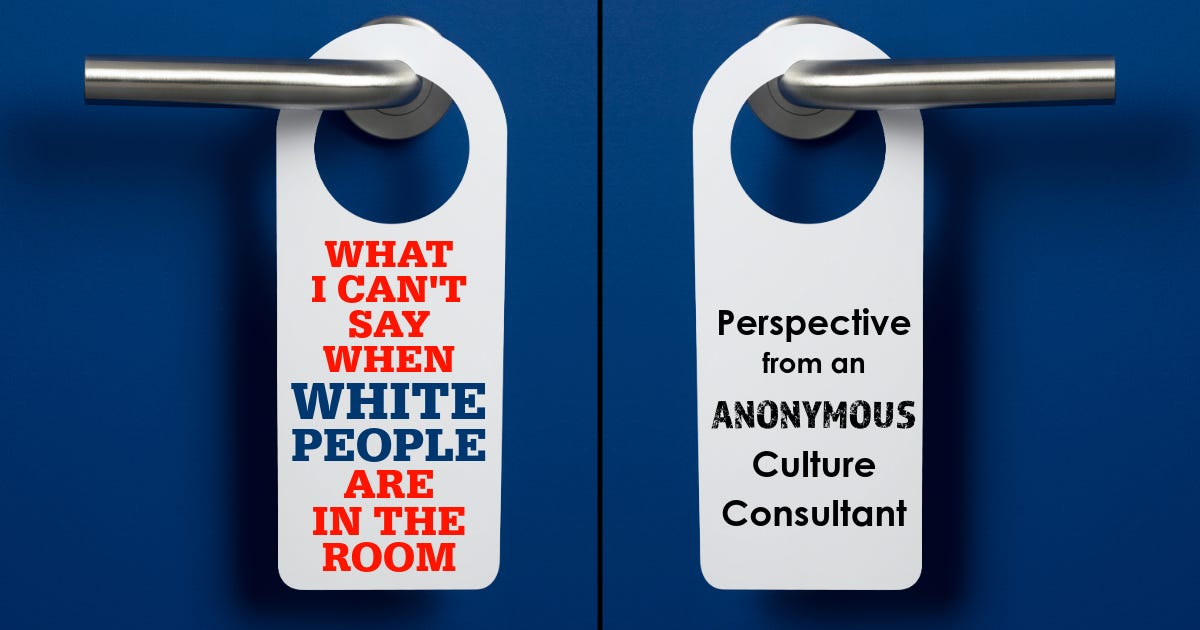
I work as an organizational consultant. I am often called in when an organization has gotten sideways with its employees, and many of those moments involve breakdowns around race, culture, and leadership trust. The irony of the work is that leaders will often practice with me the very habits that helped create the crisis in the first place without realizing it. They interrupt the feedback they asked for, explain away employee concerns, or quickly redirect the conversation toward their intentions rather than the impact their decisions had on others.
Most of the time they genuinely believe they are trying to understand what went wrong. They want to repair relationships, calm the organization, and move forward. Yet the patterns that damaged trust often surface again in the very conversations meant to address the problem. For those of us who do this work regularly, it becomes clear that the crisis rarely begins with one decision or one meeting. It grows out of everyday leadership habits that leaders have learned over time and rarely had to examine closely until the consequences become impossible to ignore.
The moment a Black consultant walks into an organization to advise on leadership, culture, or staff development, we can usually see more than would be wise to say out loud. We often stay silent for our own protection or because the room isn’t ready for the full truth.
Here is the silent list that some Black consultants you hire carry in their minds as they help organizations solve their most complex problems.
You assume all I can talk about is DEI.
Many of us bring deep experience in leadership development, strategy, governance, and organizational culture. Yet the moment we walk in the room, the assumption is that our expertise begins and ends with DEI. Race is always a critical part of any conversation. But most of the problems we see in organizations are leadership issues. We have more than “soft skills” and can do much more than the implicit bias training you keep using to “start the conversation”.
You contract for one thing and then add more creep than a TLC album.
We are hired to do a listening session, a survey, or a strategic planning process. Within a week, the scope grows. Suddenly, there are crisis emails, and the scope starts to creep. When I reply that we can revisit the contract and add that additional request to the scope, the energy in the room changes. Chips and salsa are supposed to be unlimited, not my attention to the urgent matter you created.
You implement the recommendations you like and ignore the rest.
Six months later, the organization is still struggling, and the consultant gets blamed for the outcome. Half of an implemented plan produces half a result. If we don’t solve racism by this Tuesday, get a flawless strategic plan implemented by a disengaged team that cannot spell KPI (key performance indicator), and somehow cure the accountant’s gout, we just “weren’t what you were looking for.”
You negotiate our fees and pay our invoices late.
There is always a conversation about investment. There is always a reminder that budgets are tight. I have watched organizations accept other vendors’ pricing without discussion. Then suddenly remember a trip to Puerto Vallarta and how fun it was to barter, and I get the side eye for sending a rate sheet that is not negotiable. With consultants of color, bargaining suddenly becomes part of the process. Then the invoice arrives, and payment moves slowly. Grace is expected, even though our policy states we should be charging you. My mortgage company does not extend grace because a client decided to pay late.
You give us the real story after the contract is signed.
The first conversations always sound manageable. Then the details begin to appear. The board chair is also the largest donor, and the wife of the CEO. Half the leadership team resigned last month, and staff morale is at an all-time low. Consultants rarely find these things surprising. There seems to be no insight to give context or to map the organization relationally or logistically. We all know to tell someone who comes over that our cousin ain’t quite right, but it seem okay to sit me by him and let me figure that out by myself. For shame.
You praise the work but keep us a secret.
Organizations often say the consulting process was transformative. The culture turned around, people felt heard,and everyone was hopeful for the first time in a long time. But what happens afterward is strange. We suddenly become the secret weapon. Emphasis on “secret.” Apparently, good consulting becomes a competitive advantage that they do not want anyone else to have. They take the credit and make sure we stay hidden instead of sharing the love.
Despite all of this, most of us really do care about the organizations we work with. We want leaders to succeed and teams to thrive. We know that some of this has to do with the dynamics of race, gender, and countless other intersectional realities, but it also stems from how folks have been raised in organizational contexts to act. No home training.
So the next time you hire a consultant of color to help clean up a mess your organization created, try something simple. Acknowledge the problem. Tell them the full story at the beginning. Pay them well and pay them on time. Listen when they speak.
And if the work actually helps, tell someone else.
—————————————————————————————
We are grateful to our guest writer for illuminating this dynamic in What I Can’t Say With White People in the Room. Project 2045 will periodically publish reflections—many anonymous—on this topic from Writers of Color