


There are moments when something happens so quickly inside us that we barely notice it. A feeling rises before a thought forms. A conclusion settles in before evidence arrives. We lean toward one person. We hesitate around another. If someone asked us why, we might struggle to explain it. Not because we are hiding something, but because the reaction came first and the reasoning came later.
Most of us like to believe that our decisions are thoughtful and deliberate. And often they are. But human beings are not only rational creatures. We are patterned creatures. Our brains are constantly sorting, categorizing, and making predictions. They are trying to keep us safe, help us feel at home, and make sense of a complicated world. To do that, they rely on shortcuts.
Shortcuts are not inherently bad. If you had to analyze every single choice from scratch, you would be exhausted before noon. So your mind stores impressions. It builds associations. It notices repetition. Over time, those repetitions begin to feel like truth.
If the news repeatedly pairs certain groups with crime, your body may register alertness before your values weigh in. If leadership in your workplace has always looked a certain way, you may instinctively associate competence with that look. If your childhood neighborhood was mostly one race or class, comfort may quietly attach itself to familiarity.
None of this requires conscious hostility. It does not require you to think you are better than anyone else. It simply requires exposure. What we see repeatedly, we begin to expect. What we expect, we begin to trust. What feels familiar, we experience as normal.
The trouble begins when these quiet patterns influence decisions that shape other people’s lives. When two identical resumes feel different because of a name. When confidence sounds like strength in one voice and aggression in another. When a teacher interprets curiosity as potential in one student and as disruption in another. In those moments, something subtle is doing work beneath the surface.
This is why conversations about racism cannot stop at overt acts. Most people do not walk around intending harm. And yet, as we have already seen, the outcomes in education, wealth, housing, and incarceration remain deeply unequal. If the structure continues to produce disparity, we have to ask how those larger patterns also shape our smaller, everyday judgments.
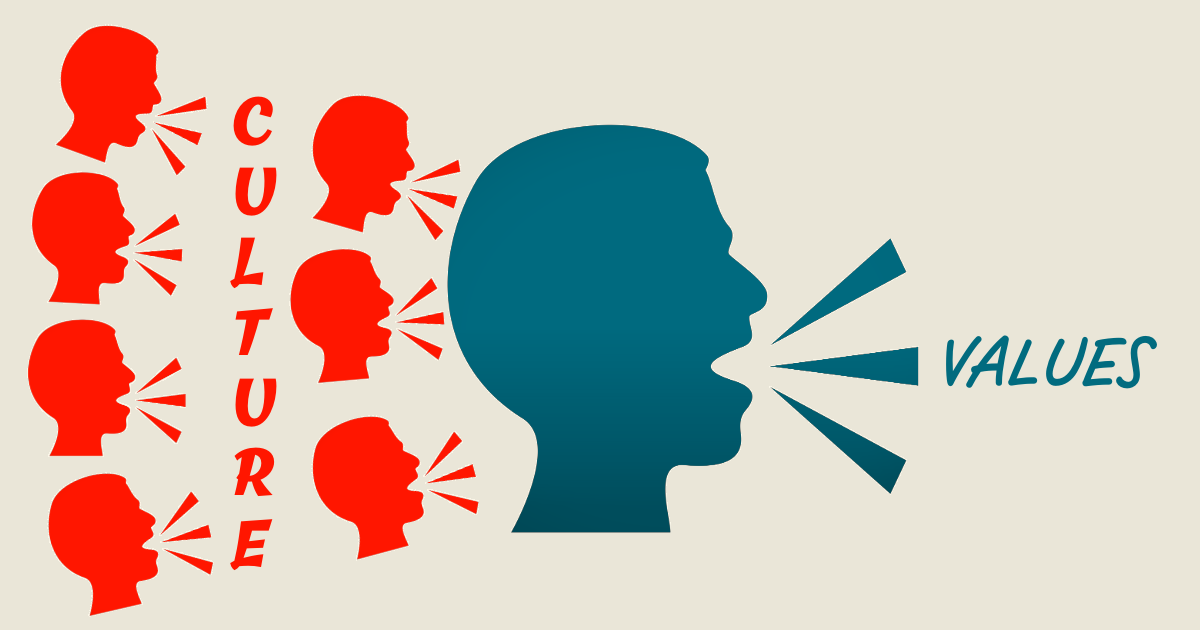
We live inside stories that were built long before we arrived. Those stories taught us who belongs, who leads, who is dangerous, who is trustworthy. Even if we consciously reject those narratives, our reflexes may still carry traces of them. Culture seeps in quietly.
This can feel threatening at first. Especially for people who have worked hard, faced real struggle, and do not see themselves as prejudiced. But acknowledging these hidden leanings does not erase effort or deny hardship. It simply recognizes that none of us formed our instincts in a vacuum.
The invitation here is not shame. It is awareness. If a reaction rises quickly, we can learn to pause. If a judgment forms instantly, we can ask what shaped it. If comfort or discomfort appears, we can become curious about why.
Growth rarely begins with accusation. It begins with noticing. And when we learn to notice what happens beneath the surface, we begin to create space between instinct and action. In that space, something new becomes possible.
An Invitation
If these ideas resonate and you want structured support to understand them, Project 2045 is hosting Skill Building cohorts in 2026 that teach the conversation skills white people need for this moment. It is a space to build capacity, deepen self-awareness, and strengthen the muscles required for a shared multiracial future.
Check out cohort details and apply here.
Conversation and action is how change begins.